
Solvay and the International Union for Conservation of Nature (IUCN) have completed a biodiversity pilot at the Dombasle soda ash site in France. Using the IUCN RHINO approach, the project is helping strengthen biodiversity action plans and advance Solvay's ambition to dedicate 30% of permeable land near biodiversity-sensitive areas to conservation and restoration with measurable positive impacts by 2030.
Biodiversity action starts with understanding nature at the local level.
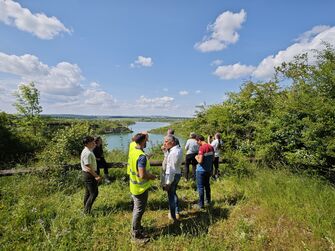
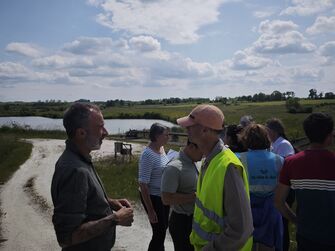
At Dombasle, Solvay partnered with IUCN to better understand the species, habitats and biodiversity priorities surrounding the site. By combining scientific expertise with local ecological knowledge, the project is helping enhance biodiversity planning while supporting Solvay's broader For Generations sustainability ambitions.
Why biodiversity matters
Healthy ecosystems support many of the resources and services that communities and industries depend on, including water availability, productive landscapes and resilient natural systems.
As biodiversity loss becomes a major global challenge, businesses have a growing responsibility. They also have a growing opportunity and should better understand nature to create positive outcomes. Protecting and restoring nature increasingly requires collaboration between industry, scientists, local stakeholders and conservation organizations.
For Solvay, biodiversity action is not only about protecting and restoring nature. Advancing long-term resilience, supporting responsible land stewardship, and creating sustainable value for the future are also key priorities.


Working with IUCN to strengthen biodiversity action
As the world's leading conservation organization and an independent, globally recognized authority on nature conservation, IUCN brings scientific expertise, practical tools and independent credibility. This helps support Solvay's biodiversity efforts through collaboration and shared expertise.
Since launching a three-year collaboration in 2025, Solvay and IUCN have worked together to strengthen Solvay's biodiversity roadmap and site biodiversity action plans. The team selected Dombasle for the pilot because it has a strong base of biodiversity work and has made progress on a structured biodiversity action plan.
The project is part of Solvay's broader effort to implement science-based biodiversity methods at key sites. It builds on work started when Dombasle became the first site selected for an IUCN pilot program.
The project uses the IUCN RHINO approach, a science-based framework. This framework helps organizations identify biodiversity priorities, assess risks and opportunities, and develop targeted plans that deliver measurable outcomes for nature.
From assessment to action
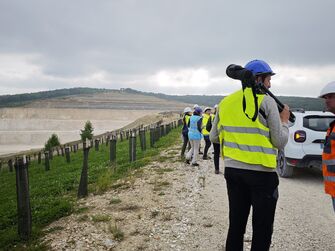
The Dombasle pilot combined site data, ecological expertise and scientific methodologies to better understand biodiversity priorities across the site and surrounding landscape. The assessment helped identify species of conservation concern, understand the pressures affecting them and highlight priorities for future action.
The work builds on conservation and restoration efforts already underway at Dombasle and across Solvay's operations, including:
- Eliminating biodiversity traps that can unintentionally harm wildlife
- Securing hollow poles where animals can become trapped
- Installing anti-drowning ramps in water reservoirs
- Expanding habitat restoration initiatives
- Developing a long-term biodiversity roadmap focused on reforestation, grasslands, wetland restoration and invasive species management
These efforts support wider biodiversity initiatives across Solvay. This includes ecological restoration of former quarry sites to create positive outcomes for nature across many landscapes.
Together, these measures show how science-based insights support practical actions that help biodiversity. They can also guide future site planning and management.
Building credibility through science and collaboration
One of the most valuable outcomes of the collaboration is the independent perspective it brings.
By working with IUCN and local biodiversity experts, Solvay is strengthening the science behind its biodiversity approach.
This is also helping build a clear and transparent view of biodiversity risks and opportunities. The pilot shows how science-based tools can help industry move past promises and toward measurable action. It offers insights that support biodiversity goals and business resilience.

Supporting Solvay's 30x30 commitment
The Dombasle project is part of a wider effort. It aims to better include biodiversity in Solvay's operations and decisions.
Insights from the pilot will help strengthen biodiversity action plans. This will also support the company's 30x30 commitment and contribute to our long-term biodiversity roadmap.
By combining local action with scientific expertise and trusted partnerships, Solvay is helping demonstrate how industry can contribute to nature-positive outcomes while creating long-term value and resilience.
This work complements broader biodiversity initiatives, including Solvay's participation in It's Now for Nature.

Building momentum across sites
The progress made at Dombasle is helping build momentum for biodiversity action across Solvay.
In Rosignano, Italy, site teams, biodiversity specialists, and IUCN experts are already working together. They aim to better understand local ecosystems and engage stakeholders. They also identify opportunities for biodiversity conservation and restoration.
The site's biodiversity journey will build on lessons learned from Dombasle while reflecting Rosignano's unique environmental context.
Together, these initiatives demonstrate how Solvay is translating biodiversity commitments into site-level action and advancing its 30x30 commitment through science-based partnerships, local engagement and long-term planning.
Looking ahead
The next phase of the collaboration will engage stakeholders and turn findings into shared action plans. These plans will deliver measurable biodiversity outcomes and guide future biodiversity efforts at Dombasle. This will also inform biodiversity action across other priority sites.
The Dombasle pilot is more than a single project. This is a clear example of how Solvay is turning biodiversity commitments into measurable action, while shaping a credible biodiversity approach for industry.
